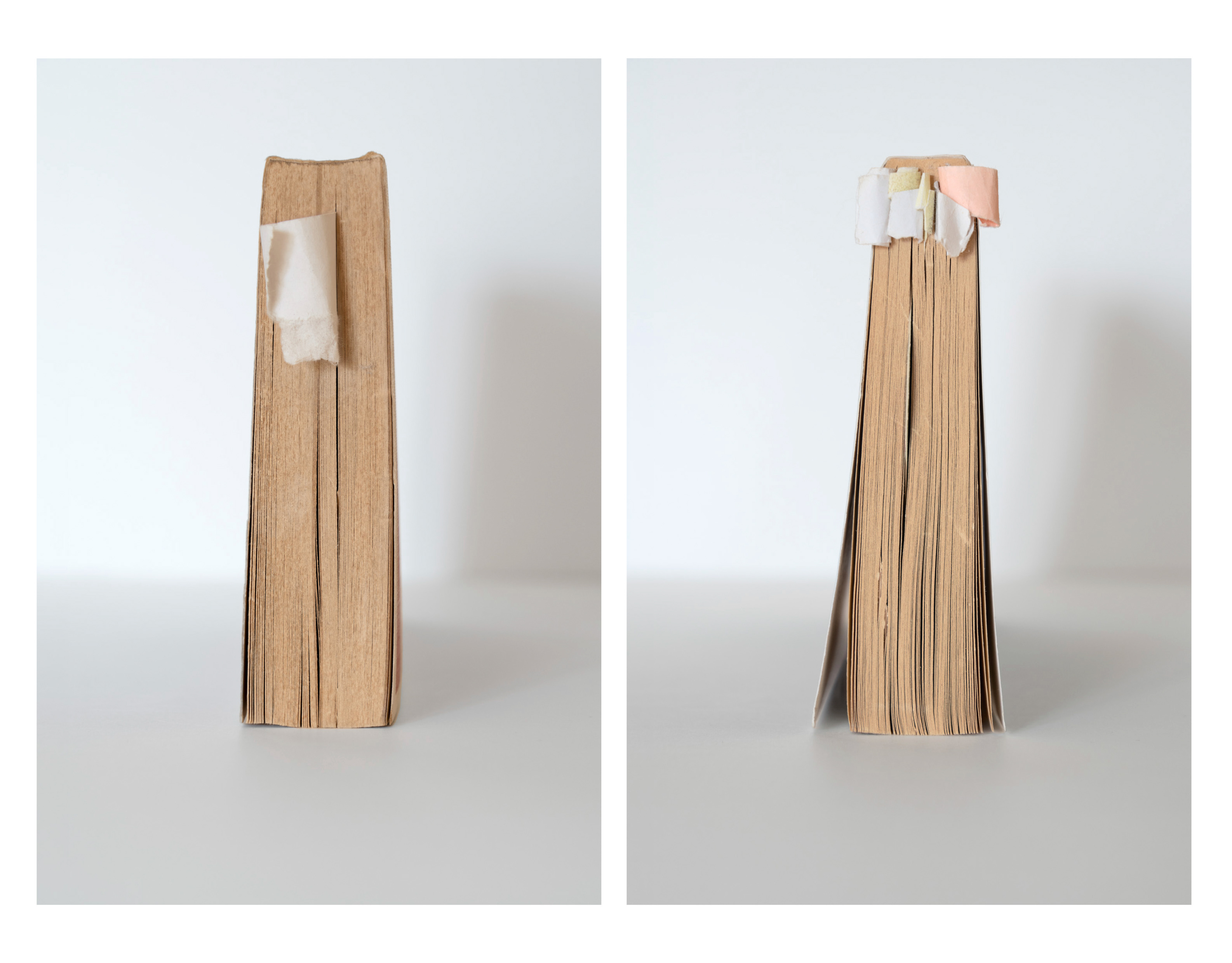
Com'è che stai, 2025
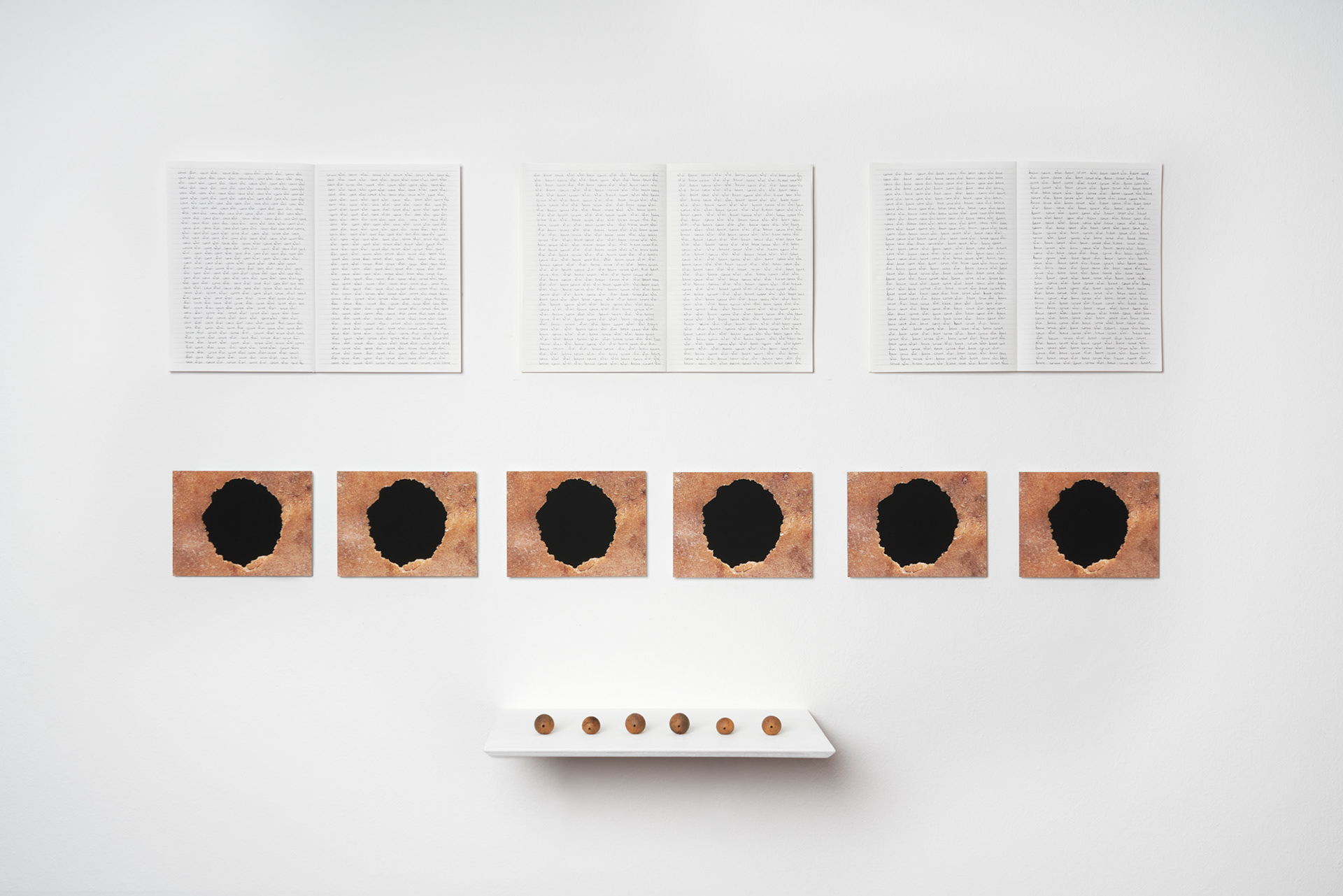
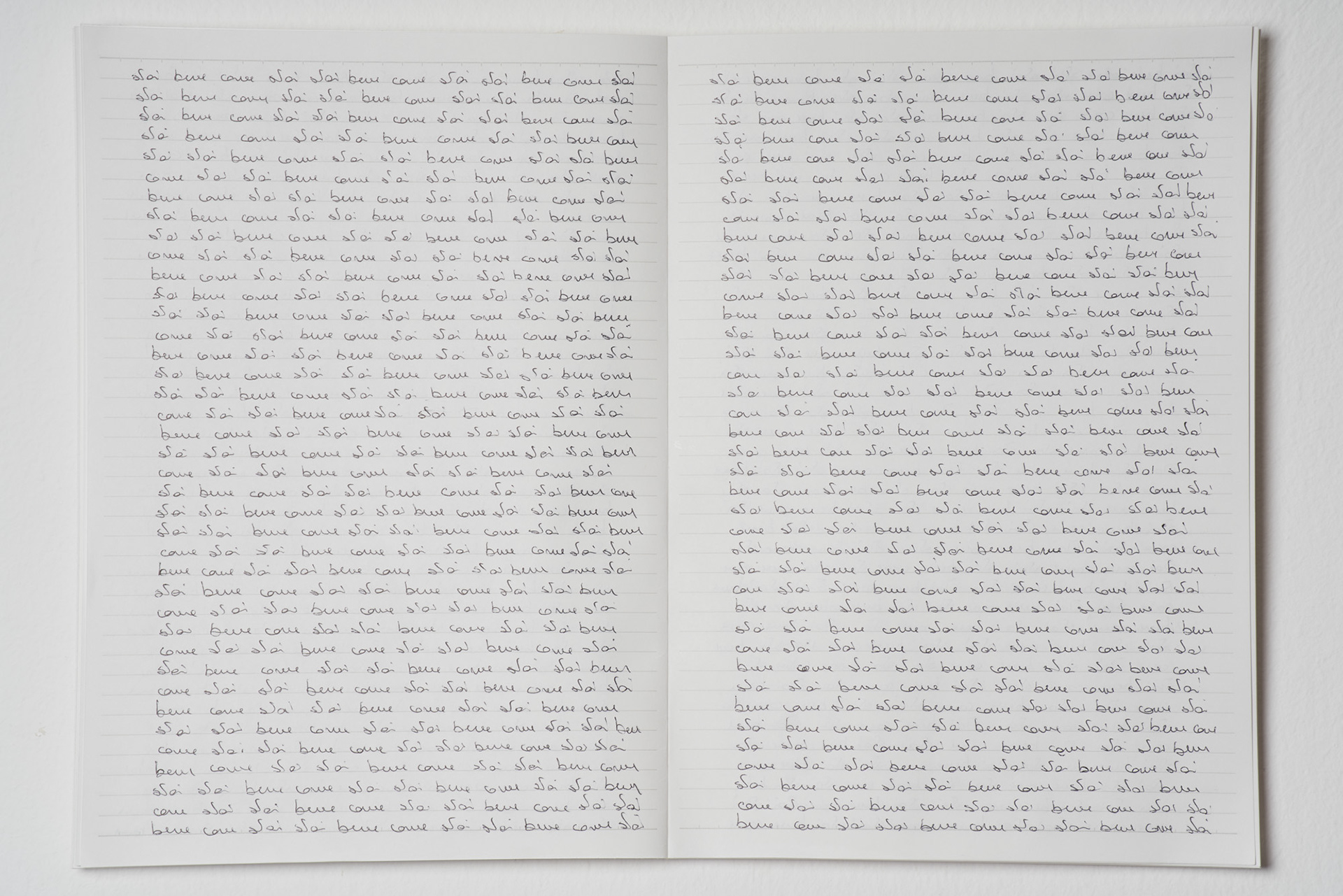
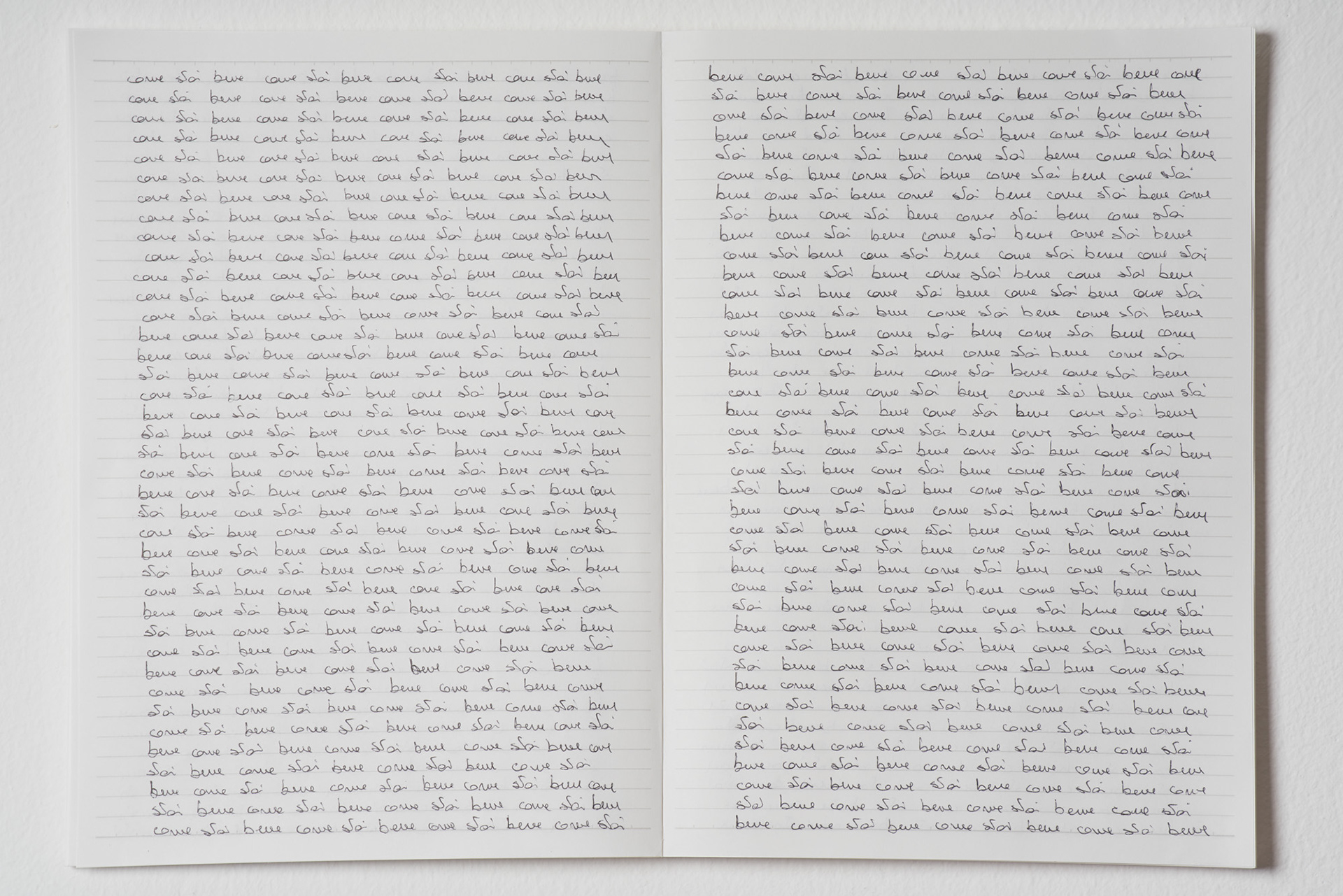
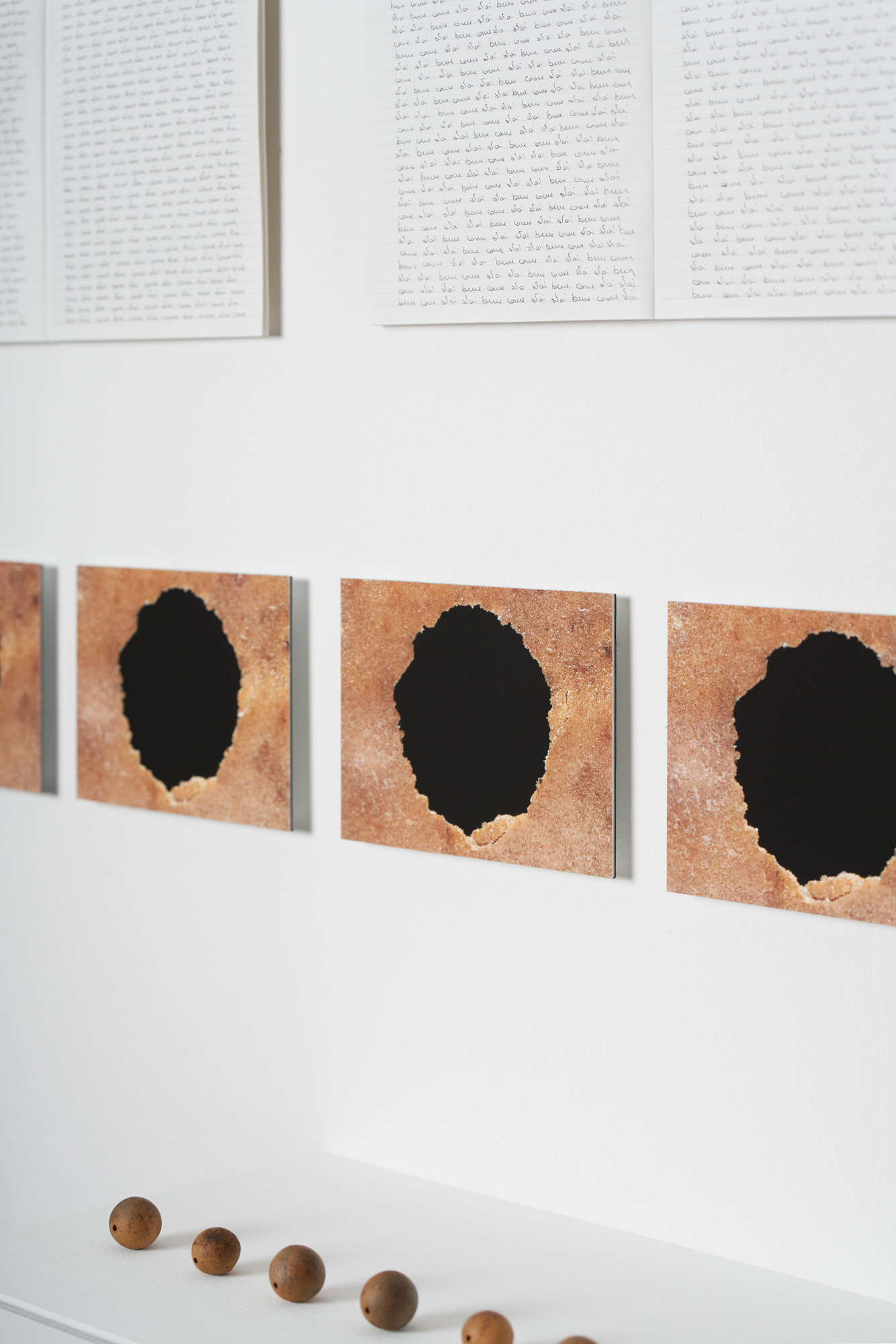
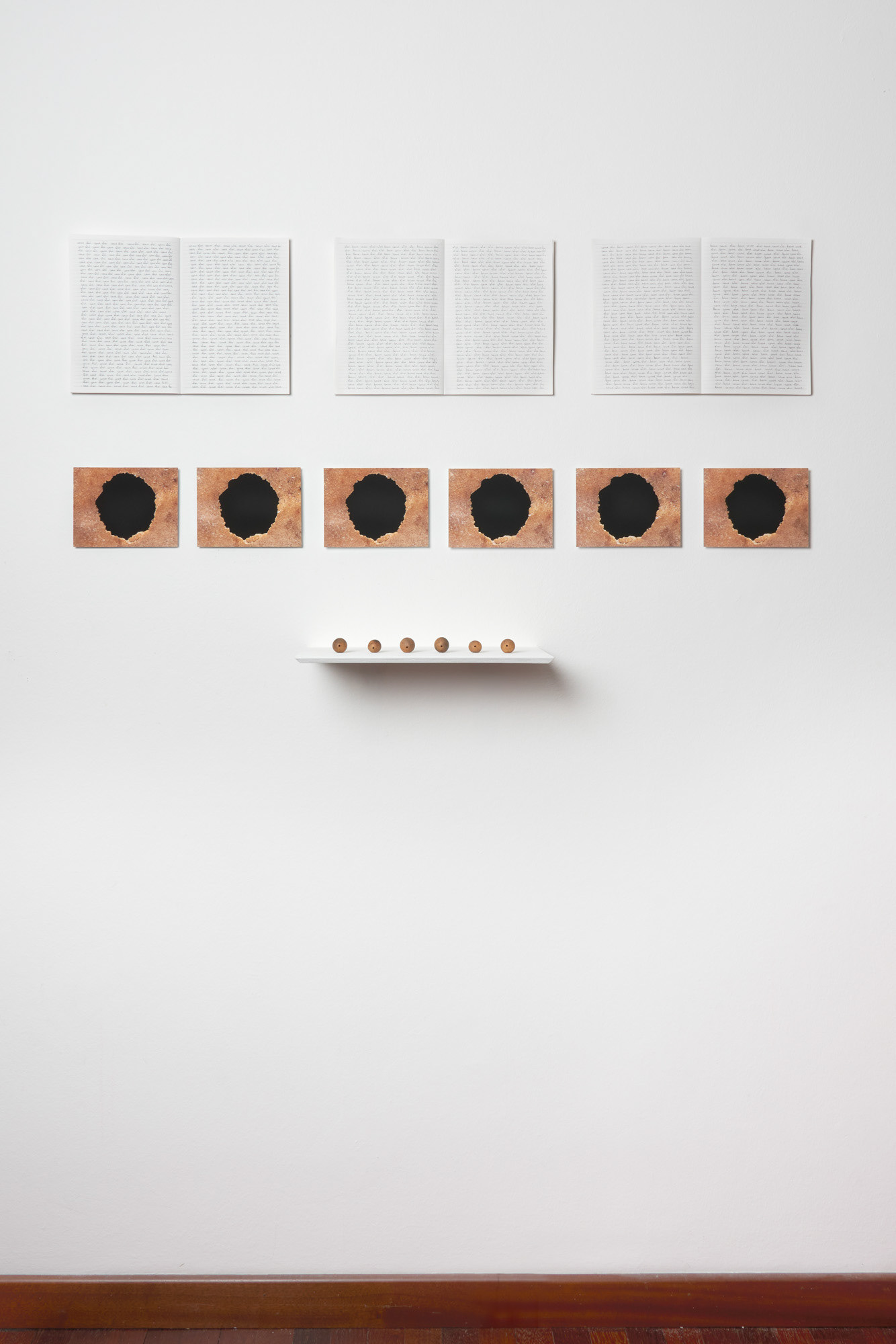
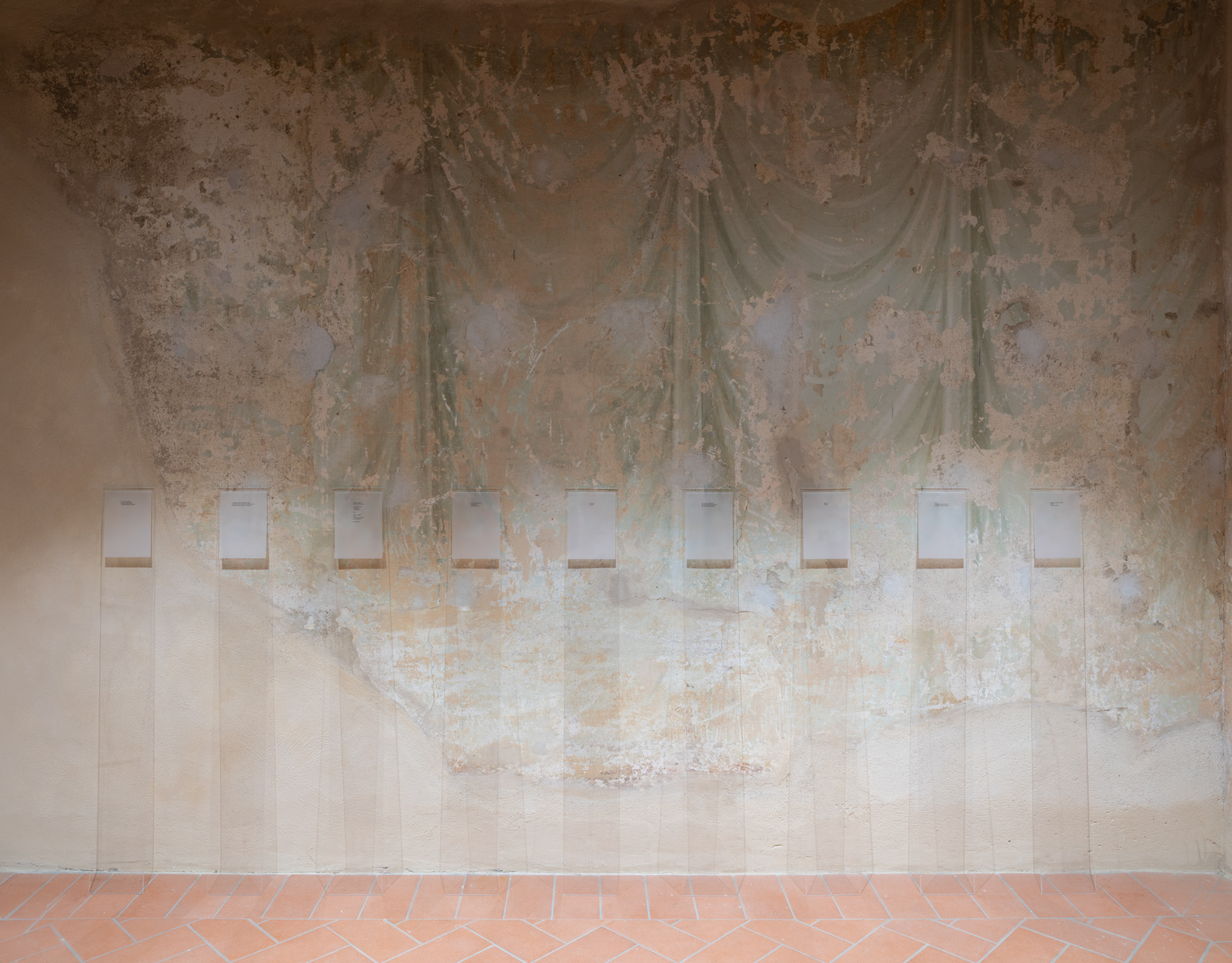
Com’è che stai, oak galls, inkjet print on cotton paper mounted on dibond and ink on paper, installation, overall dimensions 121 x 175 x 25.2 cm, San Fedele Gallery, Milan, Italy
Com’è che stai (How are you) is a work that questions pain and moves within the space of the invisible, in the physical and psychological places that bear its mark. In the rhetoric of everyday conversation, “com’è che stai” (“how are you”) is a question that hardly expects an answer. This work instead explores the potential depths that arise from it
The piece is structured on three levels, each representing the same tear or rupture. The three different registers operate through the repetition of similar elements that are not interchangeable. They constitute essential portions for understanding the meaning and compel the observer to pay close attention. The duty of attention is, therefore, the entrance to what lies beyond the visible.
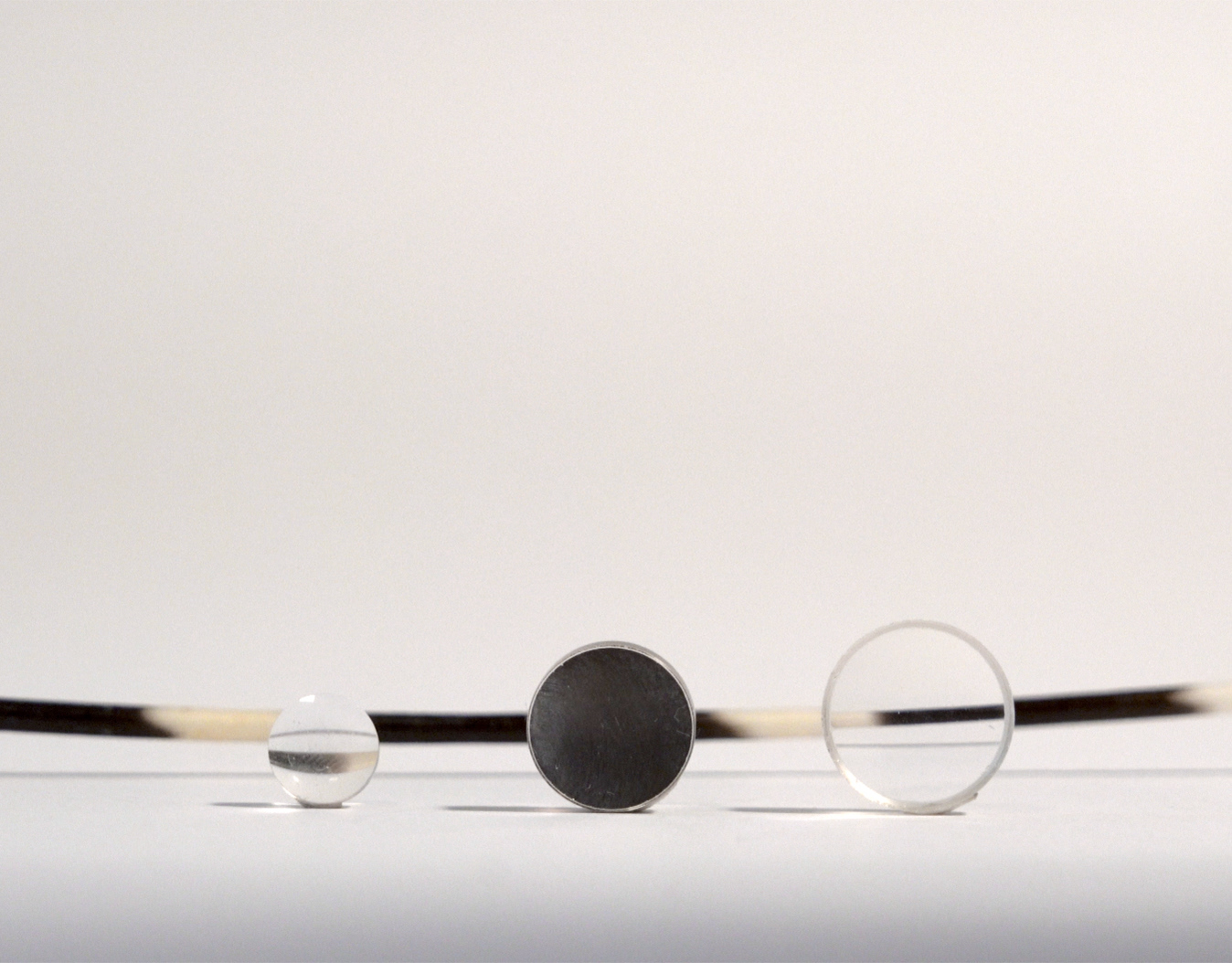
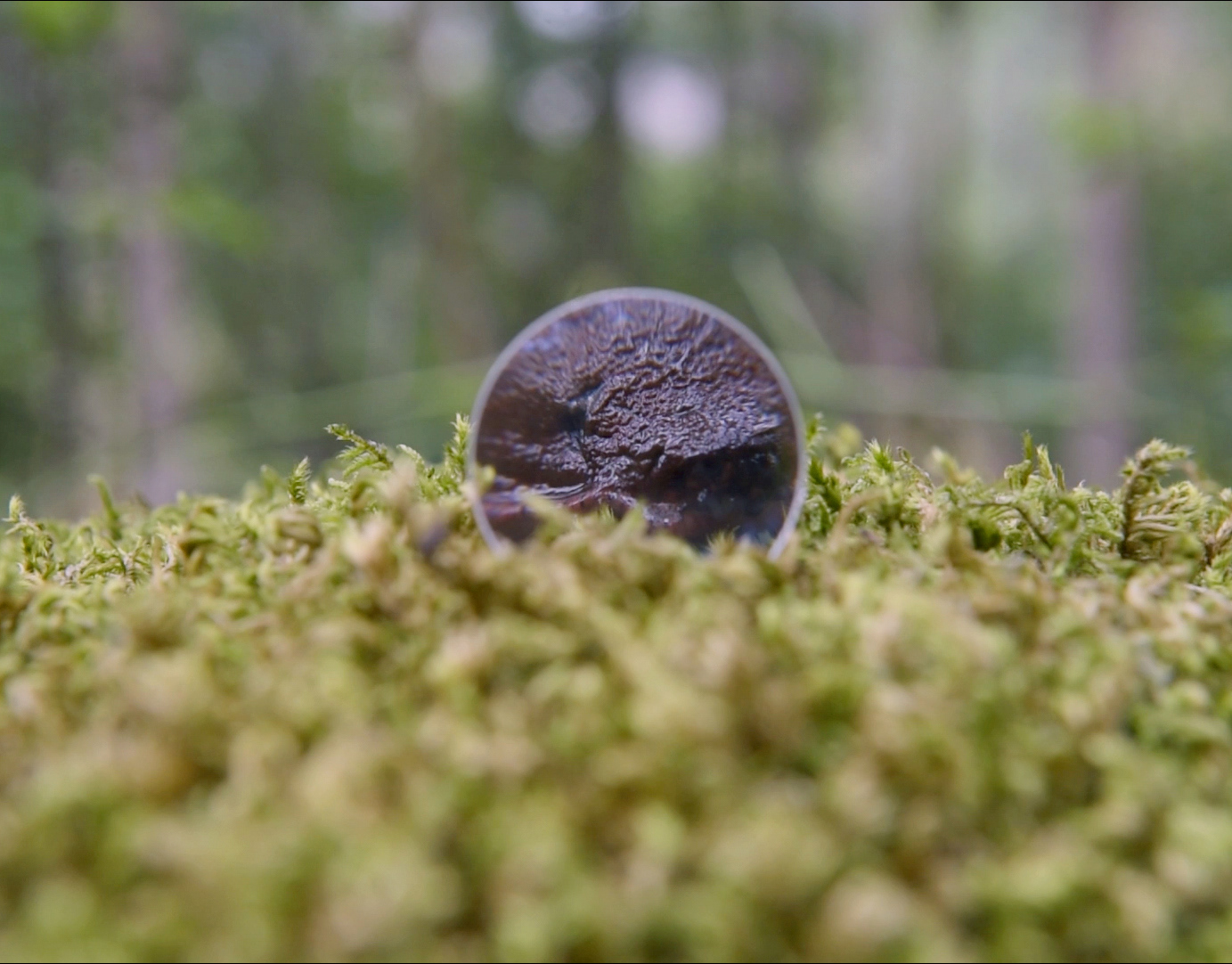
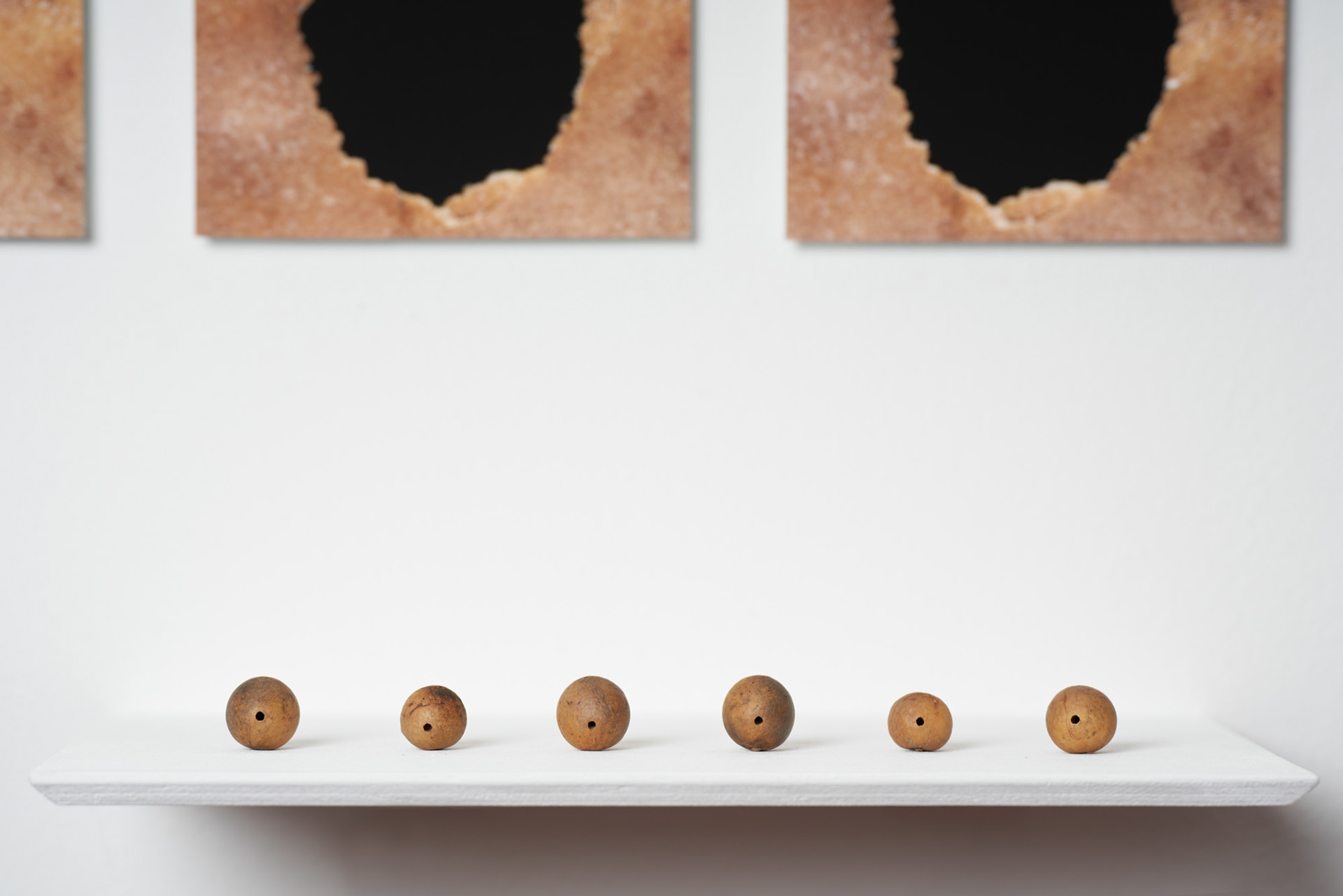
The six pierced spheres are oak galls, excrescences that develop as a result of the action of an insect on the plant. It laysits eggs in the bud of the plant and plant tissue grows around these, which then forms the gall. This protects the plant from the parasite and, at the same time, protects the parasite from the outside, forming its nourishment.
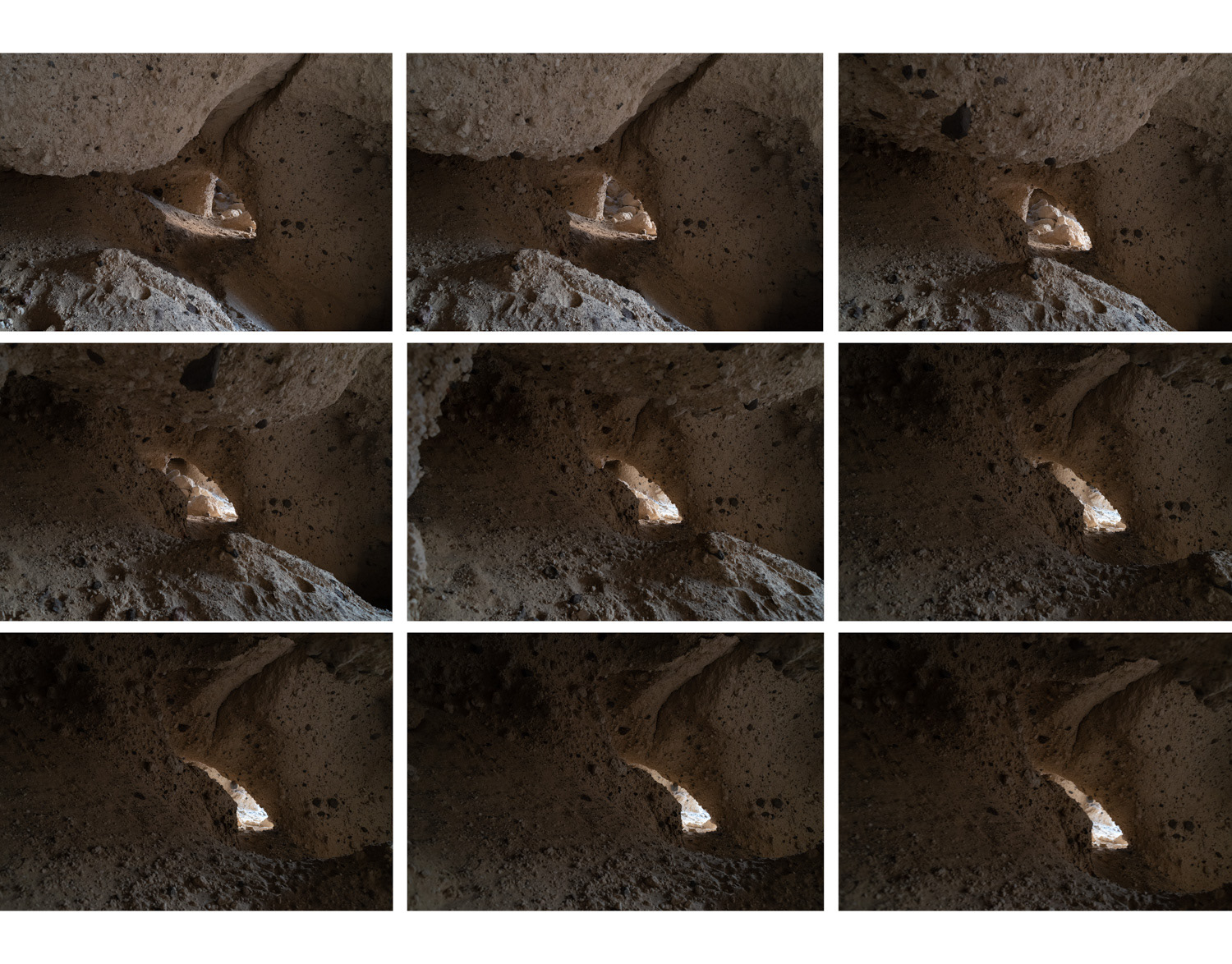
The second level of the work presents six photographs, each depicting the hole in one gall. The bites of the larva are visible, which, after completing its development phase, creates a passage to fly away. The sequence suggests a subtle rotational movement that follows the external gaze of the viewer attempting to look inside the hole.
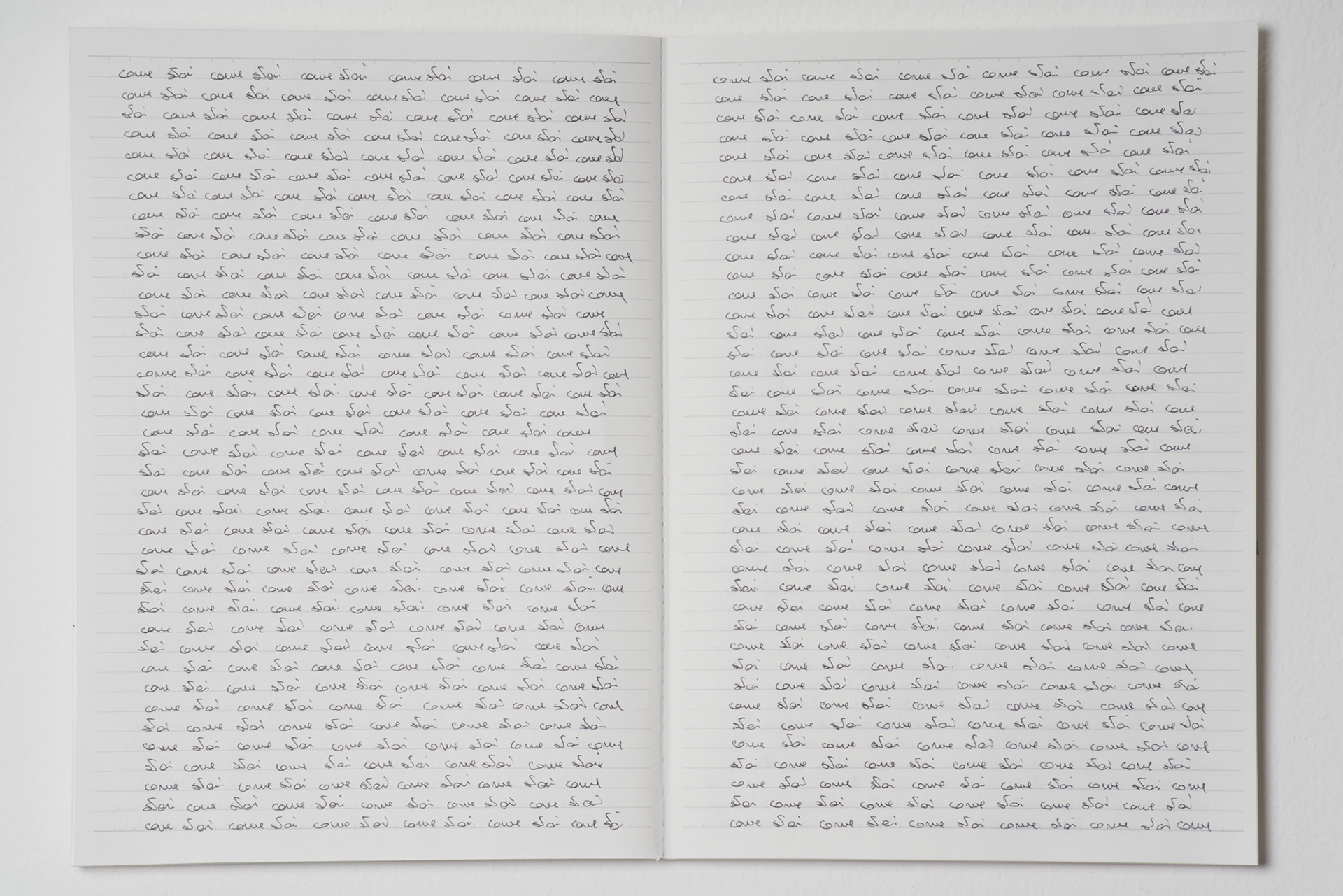
The third level uses text as a medium through the handwritten transcription of three phrases, one for each notebook, until the pages are filled: come stai; stai bene come stai; come stai bene (“how are you; you are well how you are ; how are you well”). Reading can happen horizontally or vertically within each page, as well as across the three levels of the work. The repeated similar words create a visual and semantic short circuit, constantly reformulating the meaning.The power and meaning of the phrase depend on the punctuation and intonation of the reader.
Through photographic reproduction, figurative interpretation, and poetic metaphorical transcription in written words, the three registers lead to a different dialectic of what a wound can be. They provide us with the coordinates to intercept it and show it in its multiple nature, both as tissue that can heal and as something still untraceable. It is the fracture endured and the incision inflicted, the unexpected pain and the act of care aimed at possible rebirth.
Com’è che stai è un’opera che si interroga sul dolore e si muove nello spazio dell’invisibile, nei luoghi fisici e psicologiciche ne portano il segno. Nella retorica del colloquio quotidiano «com’è che stai» è una domanda che quasi nonsottende una risposta. Il lavoro ricerca invece le potenzialità di scavo che ne scaturiscono.
Si struttura su tre livelli, ognuno dei quali costituisce la rappresentazione dello stesso strappo. I tre registri diversi agiscono sulla ripetizione di elementi simili che non sono sostituibili. Essi si costituiscono come porzioni imprescindibili per la comprensione del senso e obbligano chi osserva a prestare lo sguardo. Il dovere di attenzione è, quindi, l’ingresso a ciò che non è nell’ordine del visibile.
Le sei sfere forate sono galle della quercia, escrescenze che nascono a seguito dell’azione di un insetto sulla pianta. Esso depone le uova nella gemma della pianta e attorno a questo innesto cresce del tessuto vegetale che costituiscepoi la galla. Questa protegge la pianta dal parassita e, al contempo, protegge il parassita dall’esterno, costituendone il nutrimento.
Il secondo livello dell’opera presenta sei fotografie che ritraggono ciascuna un foro di galla. Sono visibili i morsi della larva che, terminata la fase di sviluppo, crea un varco per volare via. La sequenza presenta un movimento rotatorio accennato, che segue quello dello sguardo esterno di chi cerca di accedere con la vista all’interno del foro.
Il terzo livello utilizza il medium testuale attraverso la trascrizione a mano di tre frasi, una per ogni quaderno, fino a riempirne le pagine: come stai; stai bene come stai; come stai bene. La lettura può avvenire in modo orizzontale o verticale nelle singole pagine, così come nei tre livelli dell’opera. Le parole simili che si ripetono creano un cortocircuito visivo e di senso, riformulando costantemente il significato. Il potere e il senso della frase dipende dalla punteggiatura e dall’intonazione di chi legge.
I tre registri, attraverso la riproduzione dell’immagine fotografica, la sua interpretazione figurale e la trascrizione metaforico poetica nella parola scritta, riconducono a una diversa dialettica di cosa può essere una ferita. Ci forniscono le coordinate per intercettarla e ce la mostrano nella sua natura molteplice di tessuto rimarginabile e sempre ancora incisibile. È la frattura subita e l’incisione inferta, l’imprevisto doloroso e l’atto di cura teso alla possibile rinascita.